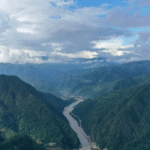
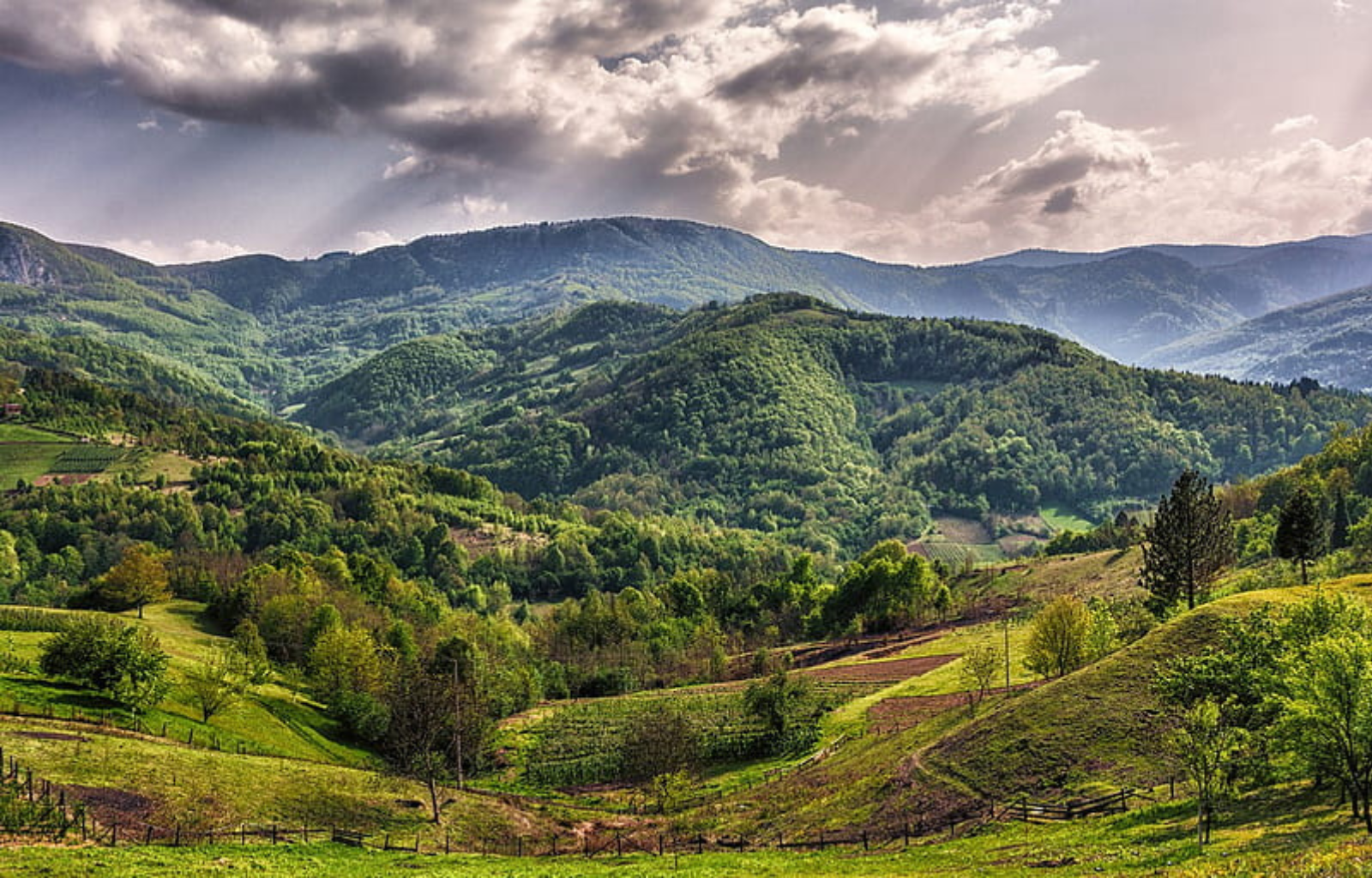
Nestled in the Eastern Ghats of Odisha, Deomali stands tall as the highest peak in the state, rising majestically to an elevation of 1,672 meters (5,486 feet) above sea level. Located in the Koraput district, this hidden treasure is a paradise for trekkers, photographers, and nature enthusiasts. Deomali is not just a geographical landmark—it’s a soul-stirring experience that offers panoramic views, unspoiled nature, and a refreshing escape from the urban grind.
- Deomali: Where the Land Meets the Sky
 Deomali is part of the Eastern Ghats mountain range, known for its rich biodiversity, rolling hills, and serene valleys. The peak offers a dramatic contrast to Odisha’s coastal image, with wind-swept meadows, rocky outcrops, and lush greenery stretching in every direction. On a clear day, standing atop Deomali feels like touching the sky itself, as clouds drift below and eagles soar above.The journey to the summit is equally rewarding, with winding roads, cascading streams, and dense forests that make the drive or trek a scenic delight.
 - Trekking and Adventure Amid Pristine Landscapes
 For adventure seekers, Deomali is a gateway to trekking, camping, and paragliding. While the trails are moderately challenging, they’re ideal for both beginners and seasoned trekkers. The terrain is a blend of grassy knolls, thick forest patches, and rocky climbs. Campers often set up tents near the peak to enjoy sunrise views and stargazing in the clear night sky.
Eco-tourism initiatives are steadily growing in the area, offering guided treks and homestays that support local communities and promote sustainable travel.
- Explore the Enchanting Surroundings
 Beyond Deomali, the Koraput district is filled with scenic wonders and cultural richness. Notable attractions nearby include:
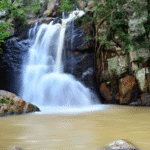
- Duduma Waterfalls – A stunning 175-meter high waterfall located on the Machkund River, surrounded by rugged cliffs and tribal villages.
- Gupteswar Cave Temple – A revered cave shrine dedicated to Lord Shiva, nestled within limestone hills and surrounded by dense forests.
- Kolab Reservoir – A peaceful lake ideal for picnics, boating, and birdwatching, offering a calm retreat after your trek.
Each of these spots adds to the charm of a Deomali trip, turning it into a complete nature and culture-based getaway.
- A Cultural Tapestry of Tribal Life
 Koraput is also home to various indigenous tribal communities, including the Parajas, Gadabas, and Bonda tribes, known for their unique customs, languages, and crafts. Visiting local markets like Onkadelli provides a chance to interact with these communities and experience Odisha’s rich tribal heritage. Handwoven textiles, traditional jewelry, and local foods give visitors a deeper understanding of the region’s identity.
 - Weather and Best Time to Visit
 The best time to visit Deomali is from October to March, when the weather is cool and visibility is high, ideal for trekking and sightseeing. During the monsoon, the greenery is at its peak, though trails may become slippery. Avoid peak summer months, as the temperatures can be harsh during the day despite the elevation.
How to Reach Deomali
Deomali is approximately 60 km from Koraput town, which is well connected by road and rail. The nearest railway station is Koraput Railway Station, and the closest airport is in Visakhapatnam, about 200 km away. Taxis and local transport are available from Koraput to reach the base of the mountain.
Why Deomali Should Be Your Next Travel Destination
If you’re looking for an offbeat mountain retreat with minimal crowds and maximum natural beauty, Deomali should top your list. Whether you crave adventure, serenity, or a cultural immersion, Deomali offers a memorable escape that is still relatively unexplored.
Touch the skies. Embrace the winds. Discover Deomali – Odisha’s highest peak, where every moment is a breath of fresh air.