Introduction to Odisha
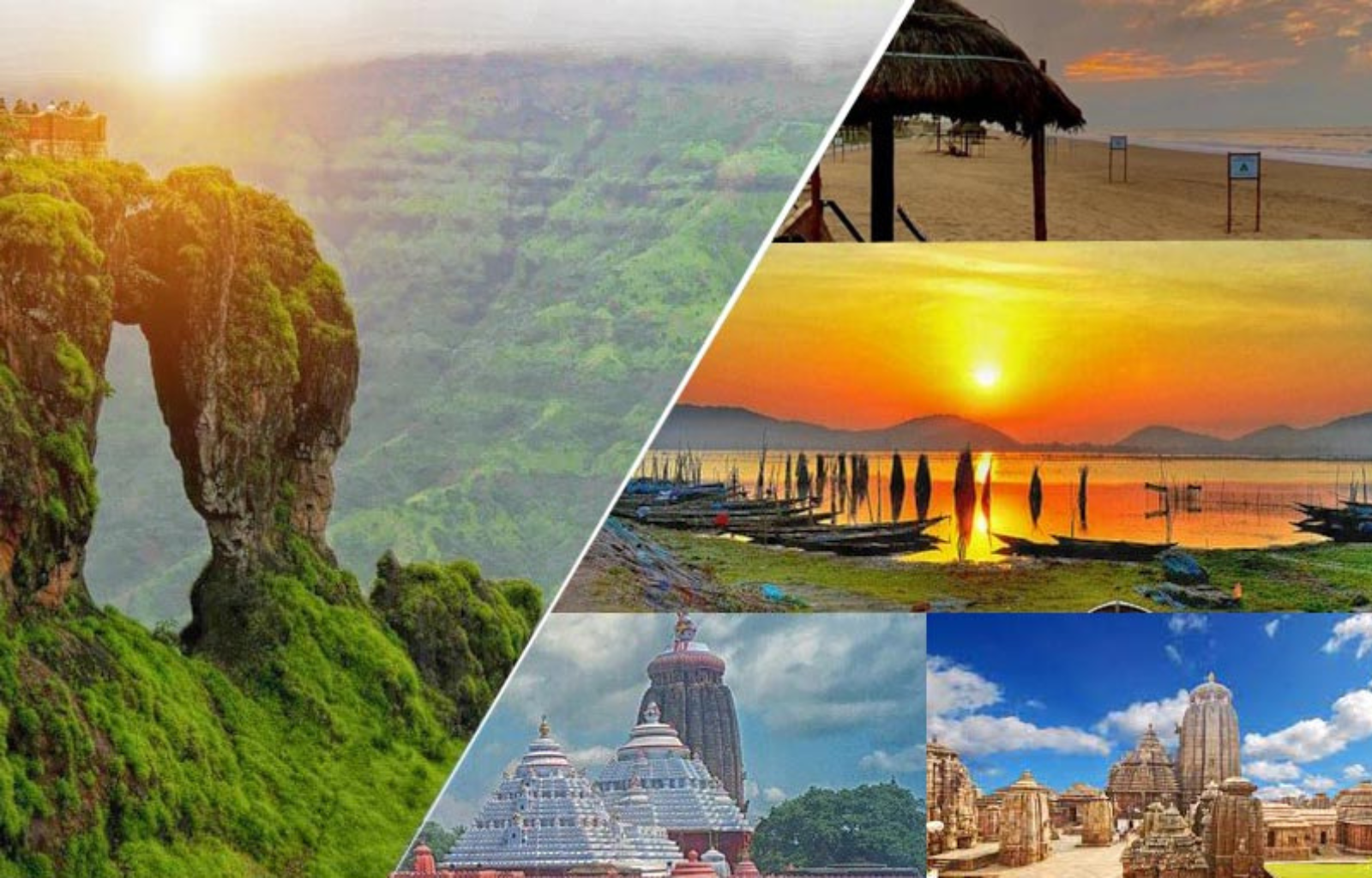
Odisha, a coastal state located on the eastern shores of India, is renowned for its rich cultural diversity and historical significance. The state is bounded by the Bay of Bengal to the east, providing it with stunning beaches and a vibrant coastal ecosystem. Its geographical features are remarkable, ranging from the lush hills of the Western Ghats to the fertile plains in the east, making it an attractive destination for nature enthusiasts and history buffs alike.
The cultural fabric of Odisha is a seamless blend of various traditions, languages, and art forms, which have evolved over centuries. It is celebrated for its classical dance forms, such as Odissi, one of the oldest dance styles in India. Furthermore, its rich arts and crafts, particularly intricate handloom textiles and exquisite stone carvings, showcase the state’s artistic prowess. The festivals celebrated here, like Rath Yatra and Durga Puja, reflect the fervor and vibrant spirit of the Odia people, drawing visitors from all around the globe.
Historically, Odisha is home to several ancient temples and monuments, the most notable among them being the Sun Temple at Konark and the Jagannath Temple in Puri. These architectural masterpieces not only exhibit exceptional craftsmanship but also hold great significance in the realm of spirituality and pilgrimage. The state’s history is layered with influences from various dynasties, including the Kalingas, who played a crucial role in shaping its cultural heritage.
In an increasingly interconnected world, Odisha emerges as an essential travel destination, beckoning travelers with its unique blend of natural beauty and significant historical sites. Whether one seeks to explore tranquil beaches, engage with traditional art forms, or delve into rich historical narratives, Odisha offers an enriching experience that captivates the hearts of its visitors.
Konark Sun Temple

The Konark Sun Temple, a UNESCO World Heritage Site, is a magnificent testament to the architectural brilliance of ancient India. Located on the eastern coast of Odisha, this 13th-century temple is dedicated to the Sun God, Surya. Designed in the form of a colossal chariot, the temple is adorned with intricately carved stone wheels, horses, and various deities. Its architectural significance lies in its unique integration of natural light, allowing sunlight to illuminate different parts of the temple throughout the day, symbolizing the changing nature of time and life.
Historically, the temple was built by King Narasimhadeva I of the Eastern Ganga dynasty in 1250 AD. It is said that the king constructed the temple to commemorate his victory over the Muslim rulers of Bengal. Over the centuries, the Konark Sun Temple has been shrouded in interesting legends. One of the most captivating involves the legendary architect Bisu Maharana, who is said to have designed the temple as a tribute to the Sun God. It is believed that his immense talent led to his tragic demise, as he was buried alive in the temple’s foundation as a sacrifice to ensure its stability.
When planning a visit to this architectural marvel, the best time to go is during the winter months, from November to February, when the weather is pleasant and conducive for exploration. It’s advisable to visit early in the morning or late in the afternoon to avoid the midday heat and witness the temple in the soft light of dawn or dusk. Visitors should also take time to explore the surrounding areas, including the nearby Chandrabhaga beach, which adds to the overall experience. Allocating sufficient time allows for appreciating the intricate details of the stone carvings that narrate cultural stories and mythologies, making the Konark Sun Temple a must-visit destination in Odisha.
Puri Beach

Puri Beach, renowned for its stunning golden sands and captivating atmosphere, is one of the most celebrated destinations in Odisha. This picturesque coastline offers a unique blend of natural beauty and cultural richness, attracting both tourists and pilgrims alike. The beach is particularly important due to its proximity to the famous Jagannath Temple, one of the four sacred shrines in Hinduism known as Char Dham. This temple draws millions of devotees each year, making Puri an essential pilgrimage site.
Visitors to Puri Beach have a range of activities at their disposal, ensuring that their stay is both enjoyable and memorable. The beach is an ideal spot for various beach sports, including volleyball and kite surfing. The vast expanse of sand provides ample space for relaxation and sunbathing, while the gentle waves of the Bay of Bengal invite visitors for a refreshing swim. For those seeking adventure, renting jet skis or going for a banana boat ride can elevate the experience.
Another highlight of Puri Beach is its vibrant local cuisine. Countless vendors and eateries line the shore, offering a variety of delectable seafood and traditional Odia dishes. Visitors can indulge in local specialties such as fried fish, crabs, and the famous Puri Rasgulla, providing an authentic taste of Odisha’s rich culinary heritage. Furthermore, the annual Rath Yatra festival, celebrated with grand processions and fervor, adds to the cultural significance of Puri Beach, showcasing the city’s deep-rooted traditions and communal harmony.
In essence, Puri Beach stands as a testament to Odisha’s natural beauty and cultural richness, making it a must-visit destination for anyone exploring this magnificent state.
Jagannath Temple, Puri

The Jagannath Temple, situated in Puri, Odisha, stands as a vital spiritual and cultural landmark, revered widely as one of the four Char Dham pilgrimage sites in Hinduism. It draws millions of devotees and tourists each year, who come to partake in its rich traditions and to witness its architectural grandeur. Constructed in the 12th century, the temple is dedicated to Lord Jagannath, a form of Lord Krishna, and is famed for its towering structure adorned with intricate carvings and vibrant decorations, showcasing the exemplary craftsmanship of the Kalinga architectural style.
Historically, the temple has been a focal point of worship and pilgrimage, serving as a significant site for various cultural and religious activities. The principal deities—Jagannath, Balabhadra, and Subhadra—are housed in the sanctum sanctorum, where elaborate rituals are performed daily. One of the most prominent events is the Rath Yatra, a grand chariot festival held annually, where the deities are taken out in massive wooden chariots, attracting immense crowds and fostering a sense of community among devotees.
Cultural practices associated with the Jagannath Temple are rich and varied, deeply intertwined with the local traditions of Odisha. The temple serves as a hub for numerous festivals and rituals, creating a unique blend of spirituality and vibrant cultural expressions. The Mahaprasad, offered to Lord Jagannath, is a special highlight, renowned for its taste and significance, further enhancing the temple’s allure as a culinary destination. The Jagannath Temple, with its historical depth and architectural brilliance, not only stands as a religious monument but also as a symbol of Odisha’s heritage and a testament to its enduring spiritual legacy.
Chilika Lake

Chilika Lake, recognized as Asia’s largest brackish water lagoon, is a remarkable destination that showcases Odisha’s rich biodiversity. Spanning approximately 1,100 square kilometers, this estuarine ecosystem is not only a vital habitat for various species but also a sanctuary for migratory birds. The lake serves as a critical stopover point for countless avian travelers during the winter months, attracting birdwatchers and nature enthusiasts from across the globe. The diverse ecosystem of Chilika supports over 200 bird species, including the stunning painted stork and the majestic bar-headed goose.
The local fishing communities, who rely on the lake’s abundant resources, significantly contribute to the cultural tapestry of the region. The unique relationship between the residents and this waterbody illuminates traditional fishing methods and sustainable practices that have evolved over generations. Visitors can engage with these communities, gaining insights into their daily lives and the symbiotic connection they maintain with this essential natural resource.
Exploring Chilika Lake offers an array of exciting activities, particularly boat rides that allow for a close encounter with the pristine environment. Tourists can navigate through the shimmering waters, discovering small islands dotted throughout the lagoon, such as the picturesque Kalijai Island, which is home to a revered temple. The serenity of the lake, combined with its rich aquatic life, provides ample opportunities for wildlife watching. Adventurers can observe dolphins playing in the water or witness local fishermen casting their nets, creating a perfect blend of nature and culture.
With its extraordinary range of flora and fauna, Chilika Lake stands out as a premier destination in Odisha. The region’s ecological importance, coupled with its cultural experiences, makes it a must-visit for anyone seeking to appreciate both nature and the local way of life.
Bhubaneswar – The Temple City

Bhubaneswar, the capital city of Odisha, is often referred to as the “Temple City” due to its impressive array of ancient temples, which are remarkable examples of Kalinga architecture. This city boasts around 700 temples, each representing the artistic and cultural heritage of the region, with intricate carvings and sculptures. Among the standouts is the Lingaraj Temple, dedicated to Lord Shiva, which showcases the architectural brilliance of the 11th century. This temple, with its towering spire and detailed bas-reliefs, attracts thousands of devotees and tourists alike.
Another notable site is the Mukteswara Temple, renowned for its exquisite carvings and the stunning entrance arch, also known as the ‘Torana’. This 10th-century temple is often celebrated as the jewel of Kalinga architecture, featuring a harmonious blend of ornate design elements and spiritual significance. The artistry on display offers a glimpse into the craftsmanship that has been perfected over centuries. Alongside these historic temples, Bhubaneswar is home to the Rajarani Temple, distinguished by its unique pink sandstone and absence of deities, making it a fascinating visit for architectural enthusiasts.
In addition to its temples, Bhubaneswar is increasingly modern, with developments like shopping malls, restaurants, and parks complementing its rich history. The city’s urban planning has been adept at balancing heritage conservation with contemporary growth. Local attractions surrounding the temples include the Udayagiri and Khandagiri Caves, which hold historical significance and provide insight into the ancient Jain culture of the region. Additionally, the Odisha State Museum offers a comprehensive view of the state’s art and crafts, enhancing the cultural itinerary for visitors.
Overall, Bhubaneswar stands as a testament to India’s architectural prowess and spiritual depth, making it an essential stop for travelers keen on exploring the magnificent legacy of Odisha.
Udayagiri and Khandagiri Caves

Udayagiri and Khandagiri Caves constitute an important historical and archaeological site located outside Bhubaneswar, Odisha. Dating back to the 2nd century BC, these rock-cut caves are significant in Jain history and provide valuable insights into the region’s architectural evolution. The caves were originally used by Jain monks as a place for meditation and living, which can still be discerned from their unique structure and design.
The Udayagiri hills include a series of caves, some of which exhibit intricate carvings and inscriptions. One of the most notable features is the Ranigumpha or the ‘Queen’s Cave,’ which features an exquisitely carved entrance and large hall showcasing superb architectural craftsmanship. The Khandagiri Caves, on the other hand, boast a more rugged landscape, with monastic cells and chambers, emphasizing a simpler yet functional approach to living quarters for monks.
Another highlight of these caves is the relics and artifacts that have been discovered over the years. These items, which include ancient sculptures, stone tablets, and inscriptions in Brahmi script, act as important historical markers, aiding researchers in understanding the sociocultural dynamics of the period. The significant presence of images of Tirthankaras alongside the remarkable depictions of animals and human figures further reinforces the caves’ connection to Jainism.
For those looking to explore these ancient wonders, it is advisable to visit early in the morning to avoid the harsh midday sun. Comfortable walking shoes are recommended, given the uneven terrain. Visitors should also be respectful of this heritage site by preserving its natural beauty and historical significance, ensuring that future generations can appreciate its grandeur. The Udayagiri and Khandagiri caves, thus, stand not only as a testament to Jain heritage but also as an inviting destination for historians, architects, and tourists alike.
Similipal National Park
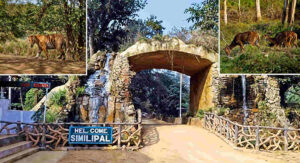
Similipal National Park, located in the Mayurbhanj district of Odisha, is a remarkable biodiversity hotspot renowned for its rich flora and fauna. Spanning over 750 square kilometers, the park is part of the Similipal Biosphere Reserve and serves as a critical conservation area. The diverse ecosystem of Similipal is characterized by its lush forests, rolling hills, and cascading waterfalls. Visitors to the park can expect to encounter a variety of plant species, including sal, teak, and various medicinal herbs, alongside a vibrant array of wildlife. Among the notable inhabitants are the majestic Royal Bengal tiger, elephants, deer, and an extensive range of avian species, making it an appealing destination for nature lovers and wildlife enthusiasts alike.
For those seeking adventure, Similipal National Park offers an array of trekking trails that cater to both novice and experienced trekkers. These trails meander through verdant forests and rugged terrains, providing breathtaking views of the park’s natural beauty. The trekking experiences are enhanced by the opportunity to observe wildlife in their natural habitat, but visitors should always prioritize safety and adhere to park guidelines to ensure a responsible exploration of this pristine environment.
The significance of Similipal National Park extends far beyond its picturesque landscapes. It plays a vital role in local conservation efforts, functioning as a sanctuary for various endangered species and supporting biodiversity preservation initiatives. As a protected area, the park is actively involved in research and monitoring to understand ecological changes and develop strategies that promote wildlife conservation. For visitors, it is imperative to follow guidelines established by park authorities, such as respecting the flora and fauna, avoiding littering, and engaging only in designated areas for trekking and wildlife viewing. By doing so, guests can help preserve the essence of this natural treasure for future generations.
Tribal Culture in Odisha

Odisha, a state located on the eastern coast of India, is renowned for its rich and diverse tribal cultures. With over 62 distinct tribal groups, each possessing its unique identity, customs, and traditions, the state serves as a vibrant tapestry of indigenous cultures. The tribes, such as the Santhal, Gond, and Bonda, contribute significantly to the cultural heritage of Odisha, showcasing a variety of languages, festivals, and artistic expressions.
One of the most fascinating aspects of Odisha’s tribal culture is their traditional festivals, which reflect the local beliefs and lifestyles. Events like the Magha Mela and the Parab festival offer a window into the vibrant rituals and communal celebrations central to tribal life. Through these festivities, visitors may gain insights into the significance of these events, which often involve elaborate dances and music, providing a deeper understanding of the tribes’ spiritual connections to nature and ancestral traditions.
Handicrafts also play a crucial role in expressing Odisha’s tribal identity. The tribes are skilled artisans known for their intricate weaving, pottery, and tribal jewelry. Engaging with local artists in villages like Chilika and Rayagada presents an opportunity for visitors to learn about traditional crafting techniques and the cultural stories imbued within their creations. Such interactions not only support the local economy but also preserve these time-honored practices for future generations.
Visitors interested in these authentic experiences can participate in community-based tourism initiatives that foster cultural exchanges. By spending time with tribal communities, individuals can appreciate their day-to-day lives, agricultural practices, and environmental wisdom. This immersion promotes a greater understanding of tribal resilience in the face of modern challenges while providing invaluable experiences for travelers seeking to connect with Odisha’s indigenous heritage.
Conclusion – Why Visit Odisha
Odisha, a state situated on the eastern coast of India, stands out as a remarkable travel destination due to its unique blend of cultural heritage, natural attractions, and adventure opportunities. The state is home to a rich tapestry of history, with many ancient temples, monuments, and art forms that showcase the region’s vibrant heritage. The famous Konark Sun Temple and the intricate carvings at the Jagannath Temple in Puri are just a few examples of Odisha’s architectural grandeur that draw visitors from around the globe.
In addition to its cultural riches, Odisha boasts stunning landscapes that include serene beaches, picturesque hills, and lush forests. The pristine coastline at Puri and Gopalpur offers a perfect setting for relaxation, while the scenic views of the Eastern Ghats provide ample opportunities for trekking and exploring nature. Furthermore, the state is home to diverse wildlife in its numerous national parks and sanctuaries, such as the Chilika Lake, which is famous for its migratory birds and marine life, making it a paradise for nature lovers and adventure seekers alike.
Moreover, visitors to Odisha can immerse themselves in local traditions, explore vibrant handicrafts, and savor the distinct flavors of Odia cuisine. Engaging with local artisans and participating in various festivals can provide an authentic experience of the rich culture that Odisha has to offer. As social awareness grows regarding the importance of preserving heritage and culture, visiting Odisha presents an opportunity to appreciate and contribute to these efforts actively.
Ultimately, Odisha is a destination that deserves a place on every traveler’s itinerary. Its captivating blend of culture, adventure, and natural beauty offers an experience that goes beyond mere sightseeing. Planning a visit to Odisha will not only enrich your travel narrative but also allow you to connect with and support the local communities.