Introduction to Chilika Lake
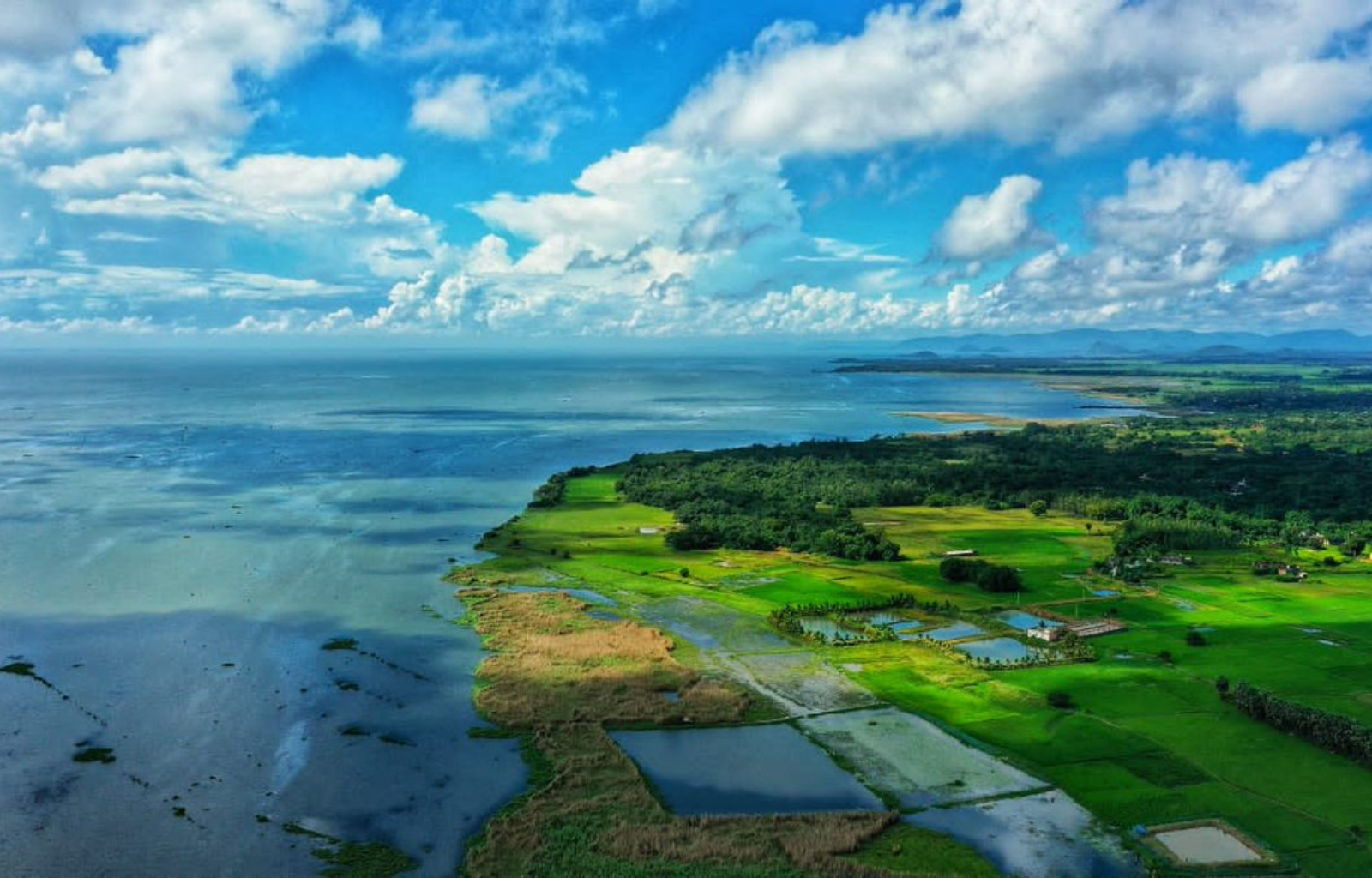
Chilika Lake, recognized as Asia’s largest brackish water lake, is a remarkable ecosystem nestled on the eastern coast of India, spanning across the states of Odisha and Andhra Pradesh. Covering an area of approximately 1,100 square kilometers, this expansive lagoon is situated along the eastern coast of the Indian peninsula and acts as a critical interface between freshwater, saltwater, and land ecosystems. The lake plays a significant role in the region’s hydrology and acts as a vital habitat for numerous species.
Chilika Lake is not only appreciated for its vastness but also for its ecological diversity. The lake harbors a rich array of flora and fauna, including over 200 species of birds, numerous fish species, and a variety of aquatic plants. This biodiversity makes Chilika an important site for both migratory and resident bird populations, especially during the winter months, attracting ornithologists and nature enthusiasts alike. The lake serves as a crucial breeding ground for several economically important fish species, supporting the local fishing industry and contributing to the livelihoods of many communities in the surrounding areas.
Culturally, Chilika Lake holds significant importance for the communities that reside around its shores. Diverse ethnic groups, including the fishermen who depend on its resources, have developed rich traditions and lifestyles deeply intertwined with the lake’s ecology. Moreover, Chilika is a key area for several tourist activities and eco-tourism initiatives, allowing visitors to experience its breathtaking landscapes and unique wildlife. The lake’s blend of ecological and cultural importance makes it a valuable asset not only for the local communities but also for biodiversity conservation efforts at a national level.
Geographical and Ecological Features

Chilika Lake, renowned as Asia’s largest brackish water lagoon, spans an impressive area of approximately 1,100 square kilometers. It is situated on the eastern coast of India, straddling the states of Odisha, Andhra Pradesh, and West Bengal. The lake’s varying depth averages between 3 to 5 meters, while certain regions can extend up to 6 meters deep. This unique lagoon is nourished by a network of rivers, with notable inflows from the Mahandi, Bhargavi, and the Prachi rivers, which bring fresh water, thereby contributing to the lake’s dynamic salinity levels.
The brackish nature of Chilika Lake creates a distinct ecosystem that supports a rich diversity of flora and fauna. The lake’s salinity varies significantly, influenced by factors such as seasonal changes, tides, and rainfall. Such variability has led to the development of a unique biological community, where both freshwater and saltwater species coexist. Notably, Chilika is home to numerous species of fish, including the popular Indian mackerel and silver pomfret, making it a vital fishery resource for local communities.
Furthermore, the ecological significance of Chilika Lake is highlighted by its designation as a Ramsar Wetland of International Importance. The region is a critical habitat for migratory birds, serving as a stopover for about 200 avian species during their seasonal journeys. Some of these birds, such as the Eurasian wigeon and the bar-headed goose, find refuge in the lake’s lush mangroves and unique estuarine environments. The diverse ecosystems established in and around Chilika foster various vegetation types, including salt-tolerant plants and vibrant aquatic habitats, thus establishing the lake as a crucial area for biodiversity conservation.
Biodiversity of Chilika Lake

Chilika Lake, recognized as Asia’s largest brackish water lake, is a thriving ecosystem that supports a rich biodiversity. Its waters are home to over 200 species of fish, including economically important varieties such as the Indian mackerel and the hilsa. The unique brackish environment allows for a complex interaction between freshwater and marine species, enhancing the overall biodiversity of the lake. Chilika has also been designated as a critical habitat for various fish species, particularly during their breeding cycles, thus playing an essential role in sustaining local fisheries.
Apart from fish, Chilika Lake is a crucial stopover point for migratory birds along the East Asia-Australasia flyway. Approximately 200 species of birds visit the lake during the migratory season, including the endangered Black-tailed Godwit and several species of ducks. This avian diversity not only highlights the ecological significance of the lake but also supports local tourism and birdwatching activities, which strengthen the community’s economic base.
The aquatic plant life within Chilika is equally diverse, comprising essential species such as seagrass and various types of algae that provide habitat and food for both aquatic animals and birds. These plants contribute to the overall ecological balance of the lake, facilitating nutrient cycling and supporting the growth of various fish populations. Efforts to conserve this biodiversity have led to the implementation of protection measures and sustainable fishing practices that benefit the local communities relying on these aquatic resources.
Chilika Lake is an ecological treasure that serves as a breeding ground for numerous species and plays a vital role in the livelihoods of the surrounding communities. Protecting this unique biodiversity is crucial, not only for the ecosystem’s health but also for the well-being of those who depend on it.
Cultural Significance and Local Communities

Chilika Lake, recognized as Asia’s largest brackish water lagoon, has played a pivotal role in shaping the culture and economy of the local communities residing around its shores. For centuries, these communities have thrived on traditional fishing practices, which not only provide sustenance but also serve as a vital source of income. The lake teems with diverse aquatic life, including various fish species, crabs, and prawns, fostering a lifestyle deeply intertwined with the rhythms of nature. Fishermen employ age-old techniques, often passed down through generations, to harvest the rich bounty of the lagoon while respecting its ecological balance.
In addition to economic sustenance, Chilika Lake is a cultural hub where numerous festivals take place, celebrating the enduring relationship between the people and their environment. Events like the annual “Makar Mela” draw participants from nearby villages, highlighting traditional music, dance, and handicrafts. These festivities not only preserve local customs but also promote social cohesion among the communities. Moreover, the lake’s vibrant ecosystem attracts ecotourism, offering opportunities for local entrepreneurship and generating additional income streams.
However, the livelihoods of these communities are increasingly threatened by environmental changes and modernization. Factors such as climate change, overfishing, and pollution have posed significant challenges to the delicate balance of the lagoon. Local fishermen struggle to adapt to diminishing fish stocks, while younger generations often migrate to urban areas in search of better prospects, leading to a loss of traditional knowledge and practices. The interplay between preserving cultural heritage and adapting to contemporary challenges forms a complex narrative for the communities around Chilika Lake, underscoring the urgent need for sustainable practices to ensure both cultural continuity and economic viability.
Tourism and Attractions
Chilika Lake, recognized as Asia’s largest brackish lagoon, offers a myriad of tourism opportunities that cater to diverse interests. Its vast expanse and unique ecological diversity provide a haven for nature enthusiasts, bird watchers, and adventure seekers alike. One of the most celebrated attractions of Chilika is the opportunity to observe dolphins, specifically the Irrawaddy dolphin, which can often be spotted during boat rides in the tranquil waters. Tourists can hire local guides who are well-versed in the best locations and times for dolphin sighting, making the experience both rewarding and educational.
In addition to dolphin watching, bird watching is another highlight, particularly during the migratory season from November to March. Chilika Lake serves as a vital habitat for thousands of migratory birds, and ornithologists and casual bird watchers can revel in the sight of various species, including flamingos, pelicans, and cranes. The lakeside offers multiple vantage points where visitors can engage in bird photography or simply enjoy the lush, diverse feathered inhabitants.
The scenic beauty surrounding Chilika Lake cannot be overstated. The serene waters against the backdrop of lush greenery create an idyllic atmosphere perfect for relaxation and exploration. Travelers are encouraged to visit the Kalijai Temple, located on an island in the lake, which is steeped in local folklore and adds a spiritual dimension to the trip. Other notable attractions include the fishing villages where tourists can engage with local culture and enjoy freshly caught seafood, as well as the stunning sunsets viewed from various points around the lake.
The best time to visit Chilika Lake is during the cooler months between October and March, ensuring a comfortable experience while participating in the numerous outdoor activities. With a range of attractions and a unique ecological landscape, Chilika Lake undoubtedly stands as a prominent destination for tourism in India.
Conservation Efforts

Chilika Lake, recognized as Asia’s largest brackish water lagoon, is a vital ecosystem that supports a multitude of biodiversity including diverse fish species, migratory birds, and unique flora. The conservation of this delicate ecosystem is imperative due to increasing threats from pollution, climate change, and unsustainable fishing practices. In recent years, both governmental and non-governmental organizations have initiated various conservation programs aimed at preserving the ecological balance of the lake.
One of the prominent governmental initiatives is the Chilika Development Authority (CDA), which spearheads the conservation efforts in the region. The CDA has implemented strategies to promote sustainable fishing practices by facilitating community engagement and educating local fishermen about the importance of preserving fish populations and their habitats. Through workshops and awareness programs, local communities are encouraged to adopt fishing methods that are eco-friendly and that adhere to enforced regulations.
In parallel, several non-governmental organizations are actively involved in protecting the biodiversity of Chilika Lake. Organizations such as the World Wildlife Fund (WWF) are working on projects aimed at monitoring and mitigating pollution sources around the lake. These initiatives include waste management programs, which focus on reducing plastic waste and other pollutants entering the water body, thus helping to improve water quality.
Moreover, climate change poses a significant threat to the intricate ecosystem of the lake. Conservationists are actively researching the impacts of changing weather patterns on the lake’s biodiversity. Strategies to combat these effects include habitat restoration projects and the establishment of ecological monitoring systems to track changes in wildlife populations and their habitats. Collaborative efforts among various stakeholders are vital in ensuring the long-term preservation of Chilika Lake’s unique ecosystem.
Environmental Challenges Facing Chilika Lake
Chilika Lake, the largest brackish lagoon in Asia, is home to an immense ecological diversity and serves as a crucial resource for local communities. However, this unique ecosystem faces several significant environmental challenges that jeopardize its health and sustainability. Prominent among these issues are pollution, overfishing, and climate change, each contributing to the degradation of the lake’s natural balance.
Pollution is a major concern for Chilika Lake, primarily stemming from agricultural runoff, untreated sewage, and industrial effluents. The influx of harmful chemicals and nutrients into the waterbody adversely affects the lake’s biodiversity. This contamination not only degrades water quality but also leads to harmful algal blooms, which can suffocate aquatic life and disrupt the delicate food web. As the lake’s health declines, the communities that depend on its resources for fishing and tourism face diminishing livelihoods.
Overfishing further exacerbates the situation. The demand for fish and crustaceans has prompted unsustainable fishing practices, leading to the depletion of key species. This over-exploitation not only threatens the economic stability of local fishermen but also disrupts the ecosystem, as vital species are removed at unsustainable rates. A balanced aquatic environment is essential for maintaining the biodiversity that supports both wildlife and human populations.
Climate change also poses a critical threat to Chilika Lake. Rising temperatures, changing precipitation patterns, and increased frequency of extreme weather events lead to shifts in species composition and habitat destruction. These alterations can result in the loss of critical ecosystems, such as mangroves and salt marshes, which are crucial for biodiversity and carbon sequestration.
Addressing these environmental challenges requires a collaborative approach among governments, local communities, and conservation organizations. Implementing sustainable fishing practices, improving waste management systems, and enhancing climate resilience are vital strategies for ensuring the health and sustainability of Chilika Lake for future generations. By taking concerted action, stakeholders can safeguard this precious resource while supporting the livelihoods of those who depend on it.
Future Prospects and Sustainable Development
Chilika Lake, recognized as Asia’s largest brackish water lagoon, holds significant potential for sustainable development, which is crucial for maintaining both ecological balance and the livelihoods of local communities. The future of this unique ecosystem hinges on the implementation of effective conservation strategies alongside economic development initiatives. Sustainable practices, such as eco-tourism, can provide alternative livelihoods for local communities while ensuring the preservation of the lake’s rich biodiversity.
The integration of local communities in sustainable development efforts at Chilika Lake is vital. By involving the community in the decision-making process, stakeholders can foster a sense of stewardship that benefits both the environment and the economy. Educational programs centered on environmental awareness can encourage local populations to engage in conservation practices, such as responsible fishing and habitat restoration. Moreover, traditional fishing practices could be modernized while allowing the local fishermen to maintain their cultural heritage and provide sustainable seafood to regional markets.
Partnerships with non-governmental organizations (NGOs) and government agencies can facilitate the development of sustainable agriculture and aquaculture practices around the lake. These collaborations can help optimize resource usage and mitigate the impacts of climate change. For instance, the promotion of mangrove restoration efforts not only contributes to carbon sequestration but also enhances fish populations, thus supporting both ecological health and local fisheries.
Furthermore, enhancing the infrastructure surrounding the lake, while preserving its ecological integrity, can attract more visitors and investors. Properly designed eco-tourism projects can help generate revenue that is reinvested into community development and conservation initiatives, creating a model for sustainable growth. The future prospects for Chilika Lake, therefore, revolve around a cohesive strategy that harmonizes ecological preservation with the aspirations of local communities, ultimately fostering a sustainable ecosystem that benefits all stakeholders.
Conclusion
Chilika Lake, recognized as Asia’s largest brackish water lagoon, represents a unique convergence of ecological diversity, cultural heritage, and significant economic value. Throughout this blog post, we have explored the multifaceted importance of this expansive water body, highlighting its rich biodiversity, including various species of fish, migratory birds, and endangered flora and fauna. The lake serves as a crucial habitat for nearly 200 species of fish and is also a key stopover location for migratory birds along the East Asia-Australasia Flyway. This ecological treasure not only contributes to global biodiversity but also emphasizes the importance of preserving such vital ecosystems in the face of environmental changes and human activities.
Moreover, the cultural significance of Chilika Lake cannot be overstated. It provides sustenance and livelihoods for thousands of families residing along its banks. Fishing, tourism, and other related activities powered by the lake’s bounty contribute significantly to the local economy, thus intertwining the community’s cultural identity with the health of the ecosystem. The rich traditions and practices associated with the lake underscore its role as a cultural heritage site that needs protection and promotion.
Lastly, it is crucial for us as global citizens to advocate for conservation efforts aimed at safeguarding listed areas like Chilika Lake. A combined effort from governmental bodies, non-governmental organizations, and local communities is necessary to mitigate the various threats facing the lake. By fostering awareness about its ecological, cultural, and economic significance, we can work towards ensuring that future generations will continue to benefit from and appreciate this magnificent natural asset. By supporting conservation initiatives, we take meaningful steps toward preserving Chilika as both a natural treasure and a vital part of our shared heritage.