Introduction to the Diamond Triangle
The Diamond Triangle of Odisha is a significant cultural and historical region that showcases the profound heritage of Buddhism in India. Comprising the ancient sites of Ratnagiri, Udayagiri, and Dhauli, this triangle stands as a testimony to the region’s rich Buddhist traditions and serves as a major pilgrimage destination for devotees and tourists alike. Each site within this triangle offers unique insights into the art, architecture, and philosophies of Buddhism, making it a vital area for those exploring Buddhist places in Odisha.
Historically, the Diamond Triangle dates back to a time when Buddhism was thriving in eastern India. Ratnagiri, known for its impressive monastic architectures and stupas, represents the zenith of Buddhist learning and spirituality. The remnants of monasteries and sculptures within this site are a draw for historians and archaeologists aiming to understand the region’s past. Udayagiri complements this by featuring magnificent rock-cut caves that house ancient carvings, reflecting the Buddhist way of life and beliefs. This site serves not only as a spiritual landmark but also as an artistic one.
Dhauli, located on the banks of the Daya River, is particularly noteworthy due to its historical significance linked to Emperor Ashoka, who embraced Buddhism after his conversion following the Kalinga War. The presence of the famous Ashokan edicts adds to the importance of this site, marking it as one of the earliest Buddhist places in Odisha. Each of these locations forms an integral part of the Diamond Triangle, inviting pilgrims and curious travelers to delve into the spiritual and historical narratives that shaped Buddhism in the region. By visiting these revered sites, one can truly appreciate the enduring legacy of Buddhism and its impact on the cultural landscape of Odisha.
Historical Background of the Diamond Triangle
The Diamond Triangle of Odisha, comprising the prominent Buddhist places of Ratnagiri, Udayagiri, and Dhauli, is a significant area that traces the roots of Buddhism in Eastern India. Historically, this region was part of the ancient Kalinga Kingdom, renowned for its rich cultural tapestry and religious diversity. The reign of Emperor Ashoka, particularly after the Kalinga War in 261 BCE, marked a crucial transformation in the sociopolitical landscape. Following his conversion to Buddhism, Ashoka played an instrumental role in promoting the religion, which catalyzed the development of several monumental Buddhist sites.
The architectural contributions during this period are evident in the incredible rock-cut sculptures and stupas found within the Diamond Triangle. The areas of Udayagiri and Ratnagiri, in particular, served as prominent centers for Buddhist learning and practices. Udayagiri holds ancient monasteries, attributed to the 1st to 2nd century CE, showcasing stunning artworks that reflect the Mahayana tradition. Ratnagiri, on the other hand, is home to notable archaeological sites that include a vast Buddhist complex enriched with stone carvings and relics. The influence of the Gupta Empire further augmented the cultural significance of these sites during the 4th to 6th centuries CE, bridging the transition between different Buddhist schools of thought.
Over the centuries, the significance of the Diamond Triangle diminished due to various factors, including the rise of Jainism and Hinduism. However, interest in its historical and religious heritage revived during the 19th century due to archaeologists’ exploration. Today, these Buddhist places in Odisha contribute not only to the understanding of ancient Indian civilization but also to the ongoing dialogue about spirituality and cultural heritage. The ongoing preservation efforts highlight the importance of these sites in fostering insights into the philosophical underpinnings of Buddhism that continue to resonate worldwide.
Exploring Ratnagiri: The Gem of Buddhist Art

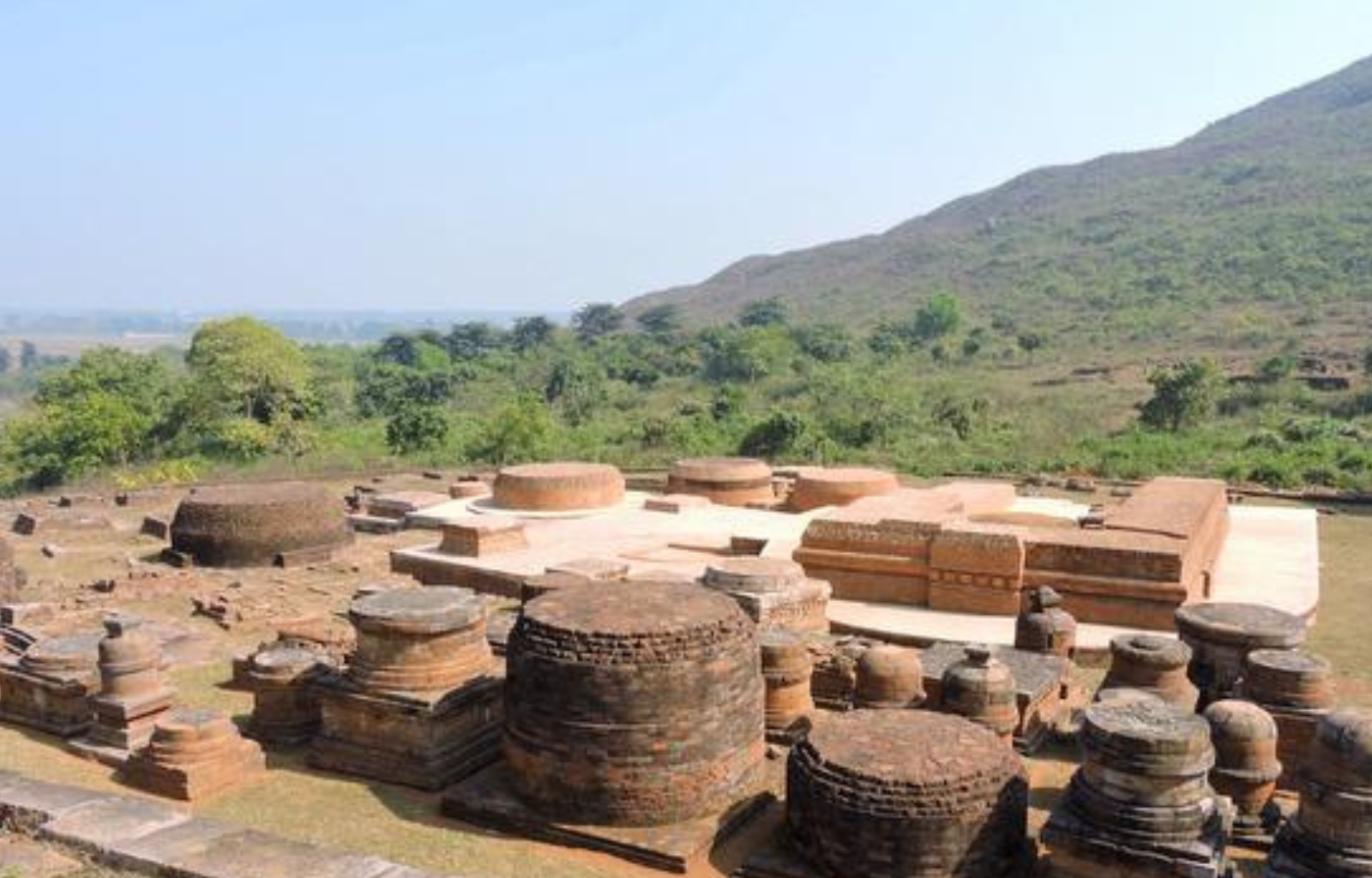
Ratnagiri, one of the prominent Buddhist places in Odisha, is renowned for its rich archaeological heritage and artistic legacy. Nestled within the Diamond Triangle of Odisha, this historically significant site offers a glimpse into the ancient spiritual and artistic expressions that defined Buddhism in India. The archaeological site of Ratnagiri is characterized by numerous stupas, monastic complexes, and exquisitely crafted sculptures, each telling a story of the past that resonates with the essence of Buddhist culture.
The stupas of Ratnagiri stand as monumental examples of the stupendous architectural prowess of ancient craftsmen. Among them, the large stupa is especially noteworthy, symbolizing the spiritual aspirations of the early followers of Buddhism. Surrounding the stupas, several monastic structures have been unearthed, providing evidence of a vibrant monastic community that thrived in this region. These monastic complexes, once bustling with monks and scholars, served as centers of learning and meditation, fostering the development of Buddhist teachings.
Moreover, the intricate sculptures that adorn the ruins of Ratnagiri are a testament to the artistic excellence of the time. Sculptures depicting various Buddhist deities, including Avalokiteshvara and Manjushri, showcase a blend of artistic styles influenced by both local traditions and broader cultural exchanges. The artistry reflects not only the religious significance of these figures but also the skill and creativity of the artisans who created them. Visitors to Ratnagiri are encouraged to appreciate these artistic treasures, which serve as a window into the spiritual heritage of the region.
As one explores the site, it becomes evident that Ratnagiri not only embodies the essence of Buddhist art but also signifies a significant chapter in Odisha’s historical narrative, inviting individuals to connect with the profound spirituality that has left an indelible mark on this landscape.
Udayagiri: The Hill of Emergence

Udayagiri, a prominent feature within the Diamond Triangle of Odisha, is renowned for its geological and historical significance. Located amidst serene hills, this site is a treasure trove of monastic remnants that date back to ancient times, highlighting the Buddhist presence in the region. The elevation of Udayagiri not only contributes to its breathtaking views but also creates a tranquil atmosphere that fosters reflection and meditation, integral aspects of Buddhist practice.
The most captivating attractions of Udayagiri are the series of caves carved into the hills. These rock-cut caves served as monastic retreats for Buddhist monks, providing secluded spaces for meditation and contemplation. The architectural brilliance of these caves is evident in their intricate designs and the craftsmanship displayed in the rock-cut sculptures. Among them, the impressive figures of Avalokiteshvara and other celestial beings are particularly striking, showcasing the artistic prowess that flourished during the ancient period.
Inscriptions found within these caves further illuminate the rich tapestry of Buddhist history in Udayagiri. These inscriptions, etched in ancient scripts, offer valuable insights into the lives and philosophies of the monks who inhabited the area. They convey the spiritual ideologies that permeated their existence and highlight Udayagiri’s role as a center for learning and enlightenment in the Buddhist tradition.
Visitors to Udayagiri can immerse themselves in the tranquil ambiance while exploring the caves, each telling a story of devotion and resilience. The site not only serves as a reminder of Odisha’s vibrant Buddhist heritage but also as an invitation for contemporary seekers of peace to connect with the serene atmosphere that pervades this hill. Udayagiri is indeed a remarkable destination within the extensive array of Buddhist places in Odisha, encapsulating the essence of ancient Buddhist culture and its enduring legacy.
Dhauli: The Peaceful Hills and the Rock Edicts
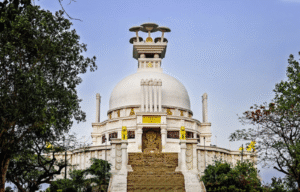
Dhauli, located near Bhubaneswar, is a notable site within the Diamond Triangle of Odisha, revered for its rich historical and cultural significance. This location is particularly famous for the peace pagoda and the ancient rock edicts of Emperor Ashoka, which collectively embody the spirit of Buddhism. The serene hills of Dhauli provide a picturesque backdrop for visitors seeking to understand the philosophical foundations of Buddhism as well as the enduring legacy of Ashoka’s reign.
The rock edicts found here date back to the 3rd century BCE, showcasing Ashoka’s commitment to promoting the principles of non-violence and compassion. These inscriptions, carved meticulously into granite, serve as a testament to the emperor’s transformation after the Kalinga War, leading him to renounce violence and embrace the doctrines of Buddhism. The edicts are not only significant historical artifacts but also resonate with messages of peace and moral responsibility, making them invaluable for understanding the spread of Buddhism throughout India and beyond.
In addition to its historical importance, Dhauli plays a vital role in contemporary society as a peace monument. The Dhauli Peace Pagoda, or Shanti Stupa, was built to foster peace and harmony among all people. It serves as a gathering place for individuals from diverse backgrounds who come together to reflect, meditate, and share in the universal message of peace promoted by Buddhism. The site attracts scholars, enthusiasts, and travelers, eager to explore the lessons of the rock edicts and the spirit of tranquility that pervades the area.
Thus, Dhauli stands as a prominent representative of the Buddhist places in Odisha, inviting visitors to engage with both its historical narratives and its present-day significance as a sanctuary of peace. The ongoing interest in this location highlights the enduring relevance of Ashoka’s teachings and the universal values embedded within Buddhism.
Connecting the Sites: The Journey between Ratnagiri, Udayagiri, and Dhauli
Traveling between the significant Buddhist places in Odisha, specifically Ratnagiri, Udayagiri, and Dhauli, is an enriching experience that seamlessly intertwines spirituality and scenic beauty. Known collectively as the Diamond Triangle of Odisha, these sites are not only essential for their historical and archaeological significance but also offer a memorable journey through the lush landscapes of the region.
The best way to explore these Buddhist places is by road, as it provides the opportunity for travelers to appreciate the natural beauty of Odisha. The distance between these sites is manageable, making it feasible to visit more than one location in a single day. Starting from Bhubaneswar, a common base for travelers, one can head towards Dhauli first. Approximately 8 kilometers away, Dhauli is known for its beautiful peace pagoda and rock edicts of Ashoka, which serve as a prelude to the journey.
From Dhauli, travelers can proceed to Udayagiri, which is about 20 kilometers away. The route to Udayagiri offers scenic vistas of rural Odisha, making the drive an integral part of the journey. Udayagiri is famed for its ancient caves and monasteries that reveal the lifestyle and teachings of Buddhism. Lastly, a short trip of around 15 kilometers from Udayagiri will lead visitors to Ratnagiri, where one can marvel at the excavated stupas and monastic ruins reflecting the rich Buddhist heritage.
To enhance your experience, consider traveling during the cooler months from October to March, when the weather is pleasant, allowing for extended explorations of these historic sites. Local transportation options, including rented vehicles or guided tours, can facilitate a comprehensive experience of the Diamond Triangle. Embrace the spiritual ambiance while marveling at the historical depth found within this sacred landscape, ensuring that your journey among the Buddhist places in Odisha is not only informative but transformative.
Cultural Experiences: Festivals and Local Traditions
The Diamond Triangle of Odisha is not just a geographical marvel; it also presents a rich tapestry of cultural experiences deeply connected to its Buddhist heritage. The region boasts various local festivals and rituals that celebrate the longstanding traditions linked to the ancient Buddhist places in Odisha, creating a vibrant atmosphere of spiritual and communal engagement.
One of the most significant celebrations is the Buddha Purnima, which commemorates the birth, enlightenment, and death of Gautama Buddha. During this time, devotees flock to prominent Buddhist places like Dhauli and Udayagiri to participate in prayers, meditation sessions, and processions that reflect the community’s reverence for their spiritual history. Visitors can observe traditional rituals, including the offering of flowers and lighting of lamps, which enhance the scenic beauty of these sacred sites.
Moreover, the annual Ashoka Vihar Festival is another notable event that draws attention to the region’s Buddhist past. The celebration acts as a cultural melting pot where local artists, craftsmen, and performers showcase their talents through music, dance, and theatrical performances that narrate heroic tales from Buddhist scriptures. This lively festival also promotes local crafts and cuisine, allowing visitors to engage with the community while supporting local artisans.
In addition to these, various local traditions, such as the celebration of the Kalinga Mahotsav, signify the area’s historical significance as a pivotal site for Buddhist learning. These traditions provide a forum for the younger generation to connect with their roots while fostering a sense of pride in their cultural identity. The interplay of Buddhist practices and local customs creates a unique experience for visitors exploring the Diamond Triangle of Odisha, enhancing their understanding of the region’s profound cultural fabric.
Practical Tips for Visiting the Diamond Triangle
Visiting the Diamond Triangle of Odisha, which encompasses notable Buddhist places such as Ratnagiri, Udayagiri, and Dhauli, can be a deeply enriching experience. To fully appreciate these sacred sites, proper planning is essential. The best time to visit this region is between October and March; during these months, the weather is pleasant and ideal for exploration. Avoiding the scorching heat of summer and the monsoon season ensures a more comfortable journey.
When planning your visit, consider nearby accommodations that cater to different budgets. There are several guesthouses and hotels in Bhubaneswar, the capital city of Odisha, which is conveniently located and provides easy access to the Diamond Triangle. Staying here not only offers more options for amenities but also allows you to explore the local culture and cuisine when not visiting these sites.
Odisha is known for its rich culinary heritage, and trying the local cuisine can enhance your travel experience. Don’t miss out on traditional dishes such as Dalma, a lentil dish, and Pakhala Bhata, fermented rice served with side dishes. Furthermore, many local eateries serve various vegetarian options in line with the region’s Buddhist influences.
While visiting these Buddhist places, it is important to observe respectful behavior, maintaining the sanctity of the sites. Dress modestly, speak softly, and take care not to disturb others who are in contemplation or prayer. Photography is often allowed, yet be mindful of signages that prohibit it in certain areas. Exploring the Diamond Triangle of Odisha offers not only an opportunity to witness heritage but also a chance for spiritual reflection and personal growth. Take the time to absorb the tranquil atmosphere that these historic sites embody.
Conclusion: The Enduring Legacy of the Diamond Triangle
The Diamond Triangle of Odisha, comprising Ratnagiri, Udayagiri, and Dhauli, stands as a significant testament to the rich Buddhist heritage of the region. This area has emerged as one of the most prominent Buddhist places in Odisha, attracting not only pilgrims but also history enthusiasts and scholars. Throughout our exploration of these sites, we have encountered remarkable archaeological remains, intricate sculptures, and profound traces of ancient monastic life that have helped to preserve the teachings of Buddhism through centuries.
Ratnagiri, with its sprawling monastic complexes and elegant carvings, serves as a reminder of the spiritually vibrant environment that once thrived there. Udayagiri, with its breathtaking hilltop views and stupas, provide insights into the architectural ingenuity of ancient Buddhist artisans. Similarly, Dhauli, known for the striking rock edicts of Emperor Ashoka, illustrates the historical significance of this location as a pivotal point for the propagation of Buddhism in the region.
Visiting these sites allows one to delve deeply into the historical narratives and spiritual traditions intertwined with Buddhist places across the state. Each destination offers a unique glimpse into the philosophical pursuits of ancient monks and the artistic expressions that accompanied their beliefs. The Diamond Triangle is not just a geographical concept; it combines cultural, historical, and spiritual dimensions that resonate strongly with visitors.
Thus, the enduring legacy of the Diamond Triangle continues to inspire curiosity and reverence. Each site invites exploration and contemplative reflection. As you embark on your journey through these hallowed grounds, may you uncover the rich tapestry of history that binds these extraordinary Buddhist places in Odisha, and leave with a renewed appreciation of their timeless significance.